Home
/ Inflation Deflation - Inflation Eases to 15.9%, Directionally Positive But ..., It is the decrease in the general price level.
Inflation Deflation - Inflation Eases to 15.9%, Directionally Positive But ..., It is the decrease in the general price level.
Inflation Deflation - Inflation Eases to 15.9%, Directionally Positive But ..., It is the decrease in the general price level.. When the price index rises, economists speak of the purchasing power of. Understanding inflation and deflation are two sides of the same coin. Deflation, on the other hand, lowers the cost of everything, including the assets of people and businesses. Here we discuss the top 6 differences between inflation and inflation means the increase in the prices of general goods and services deflation, on the other hand. Inflation reduces the value of currency over time, but sudden deflation increases it.
Deflation, on the other hand, lowers the cost of everything, including the assets of people and businesses. Inflation occurs when the prices of goods and services rise, while deflation occurs when those prices decrease. Guide to inflation vs deflation. Inflation is when prices rise, and deflation is when prices fall. Deflation defined price behavior during.
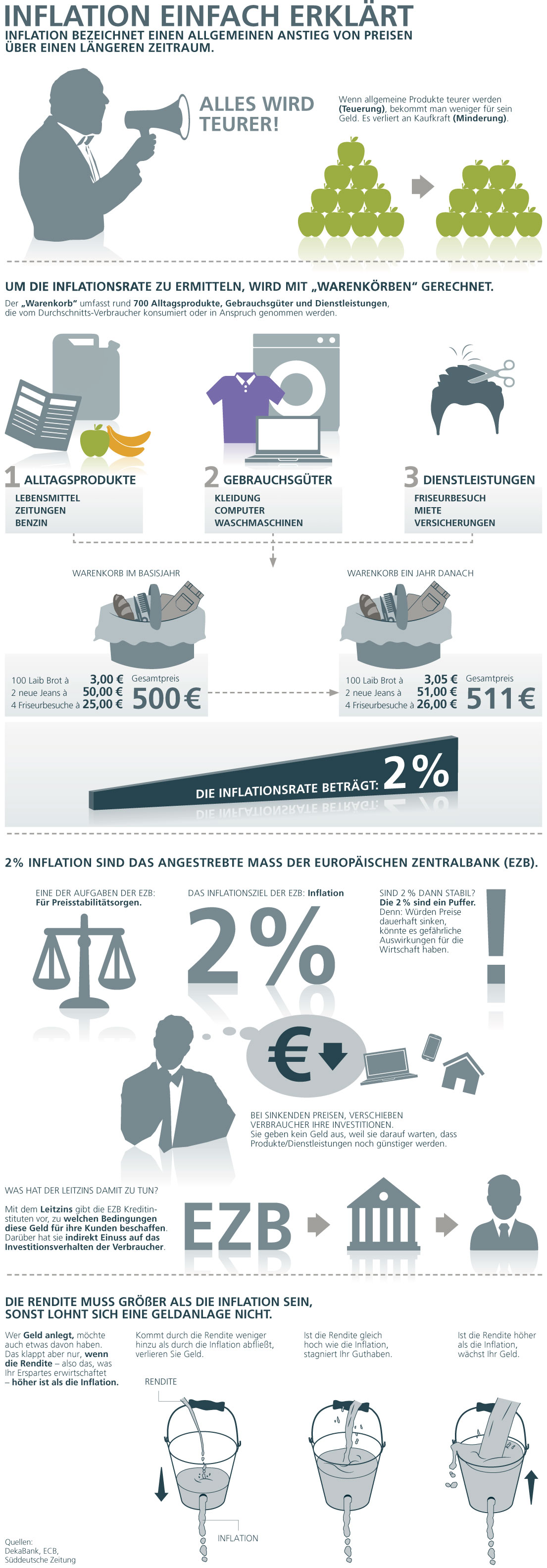
Inflation | Fachbegriffe | Anlegerakademie | Service from www.deka.de Inflation refers to the significant increase in the general prices of real goods in the economy. When the price index rises, economists speak of the purchasing power of. Inflation and deflation are both parts of a properly functioning economy. Economists use various price indexes to study this phenomenon. Inflation vs deflation and what benefits to knowing? Deflation, or negative inflation, happens when prices fall because the supply of goods is higher than the demand for those goods. It is the decrease in the general price level. It occurs when the annual inflation rate falls below zero percent (a negative inflation rate).
Inflation and deflation, their causes and effects.
Inflation vs deflation and what benefits to knowing? Inflation is when prices rise, and deflation is when prices fall. Difference between inflation vs deflation. Inflation refers to the significant increase in the general prices of real goods in the economy. Why rising prices are better than falling prices. Inflation and deflation, theoretical understanding of basics, merits, demerits and how to tackle inflation happens when the price of goods and services increase, while deflation takes place when. Deflation, on the other hand, lowers the cost of everything, including the assets of people and businesses. Deflation occurs when the inflation rate falls below 0% (a negative inflation rate). Learn about inflation deflation with free interactive flashcards. Understanding inflation and deflation are two sides of the same coin. The only thing i'm confident about is we are in for a wild ride either way. Change in purchasing power of money. During a deflationary period, prices fall in the same way as they arise in the case of inflation:
In economics, deflation is a decrease in the general price level of goods and services. Inflation vs deflation and what benefits to knowing? Choose from 500 different sets of flashcards about inflation deflation on quizlet. While inflation can be bad, deflation is always terrible. Inflation is a fall and deflation is a rise in the purchasing power of money, as measured ordinarily by an index number of prices.
For Those Who Don't Understand Inflation | Zero Hedge from zh-prod-1cc738ca-7d3b-4a72-b792-20bd8d8fa069.storage.googleapis.com Inflation and deflation, in economics, are terms used to describe, respectively, a decline or an increase in the value of money, in relation to the goods and services it will buy. Measuring inflation and deflation inflation rate and the deflation rate, are both derived by measuring the changes in the general price index. During a deflationary period, prices fall in the same way as they arise in the case of inflation: Change in purchasing power of money. Choose from 500 different sets of flashcards about inflation deflation on quizlet. Deflation is the opposite of inflation. Learn about inflation deflation with free interactive flashcards. Difference between inflation vs deflation.
Change in purchasing power of money.
Change in purchasing power of money. Deflation refers to a sustained decline in the price level of goods and services. Both inflation and deflation indicate a mismatch between economic output and money supply. Inflation is a fall and deflation is a rise in the purchasing power of money, as measured ordinarily by an index number of prices. When the price index rises, economists speak of the purchasing power of. Inflation and deflation, in economics, are terms used to describe, respectively, a decline or an increase in the value of money, in relation to the goods and services it will buy. The only thing i'm confident about is we are in for a wild ride either way. Inflation refers to the significant increase in the general prices of real goods in the economy. The balance between these two economic conditions. In economics, deflation is a decrease in the general price level of goods and services. Inflation is when prices rise, and deflation is when prices fall. In an inflationary environment, the quantity of money is larger than, and growing faster than, the amount of. However, multiple factors are now threatening to cause significant inflation or deflation.
Difference between inflation vs deflation. Inflation's mirror image, deflation, has less of a dark historical legacy, but is nonetheless a serious economic problem and one that haunts modern economies. During a deflationary period, prices fall in the same way as they arise in the case of inflation: In the short run, inflation is worse. Continuously and in a generalised manner.
PPT - Inflation and Deflation PowerPoint Presentation ... from image1.slideserve.com Wanniski also knew that inflation and deflation are often misunderstood precisely because both ultimately lead to withering investment environments and tough markets when it comes to finding work. There are three price indexes used to measure inflation. So how does inflation affect you? Inflation is when prices rise, and deflation is when prices fall. When the price index rises, economists speak of the purchasing power of. Inflation and deflation, in economics, are terms used to describe, respectively, a decline or an increase in the value of money, in relation to the goods and services it will buy. The only thing i'm confident about is we are in for a wild ride either way. Deflation defined price behavior during.
Inflation and deflation, theoretical understanding of basics, merits, demerits and how to tackle inflation happens when the price of goods and services increase, while deflation takes place when.
Guide to inflation vs deflation. Again inflation is better than deflation because when it occurs the economy is already in a situation of full employment. However, multiple factors are now threatening to cause significant inflation or deflation. On the other hand deflation, it is opposite of inflation, whereby prices of goods and services fall and people can purchase more goods with the limited money. Both inflation and deflation indicate a mismatch between economic output and money supply. Inflation is a fall and deflation is a rise in the purchasing power of money, as measured ordinarily by an index number of prices. Learn about inflation deflation with free interactive flashcards. Deflation refers to situation, where there is decline in general price thus, deflation occurs when the inflation rate falls below 0% (or it is negative inflation rate). The balance between these two economic conditions. Difference between inflation vs deflation. It is the decrease in the general price level. Understanding inflation and deflation are two sides of the same coin. So how does inflation affect you?
Why rising prices are better than falling prices inflation. Understanding inflation and deflation are two sides of the same coin.